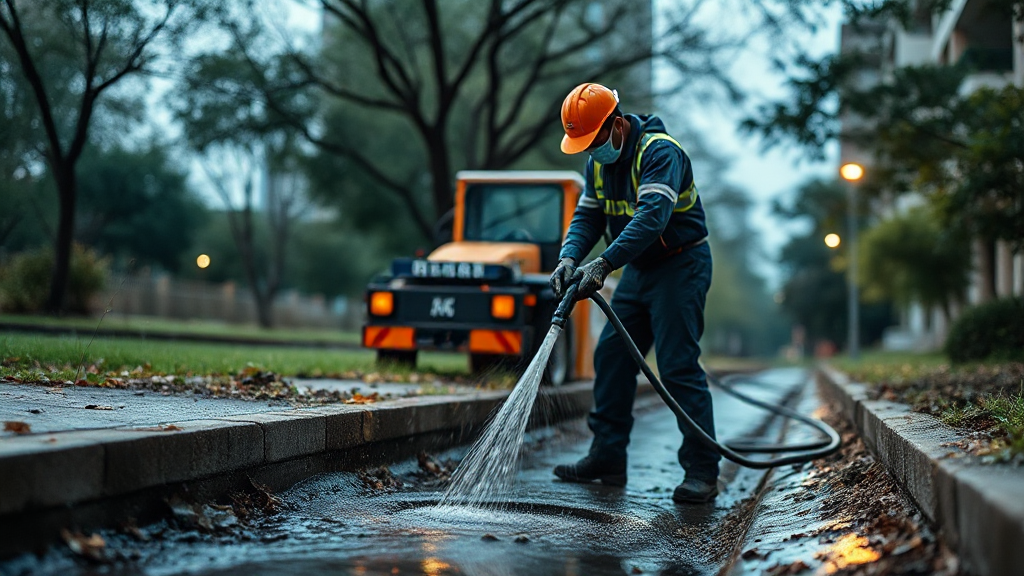
Blocked Drain in Parque São Domingos? Common Mistakes to Avoid and How to Fix Them
By the end of this article, you will know exactly which mistakes turn a small clog in Parque São Domingos into an expensive emergency, and what to do instead. The short answer: most drain problems in this São Paulo neighborhood get worse because people pour the wrong product, ignore the warning signs, or call the wrong type of professional. If you need a reliable desentupidora Parque São Domingos São Paulo SP, the fastest path is to recognize the mistake you are about to make and skip it.
Parque São Domingos is a dense residential area with a mix of older houses, small apartment buildings and street-level shops. That mix matters: the pipes, the age of the building and the way neighbors share the sewage network all influence how a blockage should be handled. The advice below is written from the perspective of someone who has already learned these lessons the hard way, so you can avoid paying for them twice.
Why small clogs in Parque São Domingos become big bills
A slow drain is rarely a sudden event. It is usually the last stage of weeks of gradual buildup. Grease, soap residue, hair and food particles coat the inside of the pipe until only a narrow channel remains. Water still passes, so nobody worries, until one day the channel closes completely and the sink or shower backs up.
In Parque São Domingos, many buildings date from decades when cast iron and PVC pipes were installed with different standards. Older cast iron corrodes and creates rough inner surfaces that catch debris faster. Newer PVC is smoother but can still trap material at poorly fitted joints. Knowing which type of pipe you have changes the way the blockage should be cleared.
Ignoring a slow drain is the single most expensive mistake. A slow drain that costs little to clear today can become a flooded floor, damaged cabinets and a sewage backup that requires emergency work at night. The earlier you act, the cheaper and simpler the solution.
The most common mistakes people make with blocked drains
These are the errors I see repeated most often in the neighborhood. Each one has a specific consequence and a specific alternative.
1. Pouring chemical drain cleaners down the sink
Chemical cleaners feel like a quick fix because the water starts moving again. In reality, they often only open a small hole in the clog while the rest of the blockage remains. Worse, caustic products generate heat and can damage PVC joints, rubber seals and older pipes. If the blockage is in a shared building line, the chemicals can also affect neighbors’ plumbing.
The safer approach is mechanical removal: a plunger for a simple sink clog, a drain snake for a deeper obstruction, or professional hydro jetting for a line that is heavily coated. Never mix two different chemical cleaners, because the reaction can release toxic gas.
2. Using a plunger on the wrong fixture
A plunger works by pressure, and pressure needs a seal. On a double sink, you must block the second drain with a wet cloth before plunging, otherwise the force escapes through the other opening. On a toilet, a flange plunger is required; a flat cup plunger will not seal and will simply splash water.
Another common error is plunging a floor drain that is connected to the sewage system. If the main line is blocked, plunging can push dirty water up through other fixtures in the building. When several drains are slow at the same time, the problem is in the main line, not in the fixture.
3. Treating every blockage as if it were the same
A kitchen sink clog is usually grease and food. A bathroom sink clog is usually hair and soap scum. A toilet clog is usually paper or a foreign object. A floor drain or sewage backup is often roots, sediment or a collapsed section of pipe. Each requires a different tool and a different level of urgency.
Using a kitchen-style approach on a sewage line wastes time and can make the mess worse. Identify where the water backs up first: the lowest drain in the property is usually the one closest to the main line problem.
4. Waiting until the weekend or nighttime to call
Blockages do not respect business hours. A drain that backs up on a Friday evening will often become a flooded shop or apartment by Saturday morning. Emergency calls cost more, and the damage from standing water can far exceed the service fee.
This is why it helps to have a contact saved before you need it. A desentupidora Parque São Domingos that offers 24-hour emergency response can be reached when the problem is still small, rather than after water has reached the floor.
5. Hiring the cheapest unmarked service
Price matters, but an unqualified technician can cause more damage than the original clog. Without proper equipment, a technician may use excessive force, break a pipe, or fail to clear the real obstruction. The result is a second repair bill on top of the first.
Look for a company that explains the method before starting, uses professional equipment such as hydro jetting machines, and provides a clear scope of work. A legitimate provider will not promise a fixed result without inspecting the line.
What a professional actually does differently
A trained team does not simply push a cable into the pipe and hope for the best. The process usually starts with an inspection to locate the blockage and identify its cause. Depending on the result, the technician chooses between several methods.
For grease and soft buildup, hydro jetting uses high-pressure water to scour the entire inner wall of the pipe, not just punch a hole through the clog. For roots or hard obstructions, a rotating cutting tool may be needed. For sewage lines that are repeatedly blocking, a camera inspection can reveal a collapsed section or a misaligned joint that no amount of cleaning will fix permanently.
This diagnostic step is what separates a lasting repair from a temporary fix. A proper inspection prevents the same clog from returning next month. If a company offers to clear a line without looking at it, treat that as a warning sign.
Prevention habits that actually work in this neighborhood
Most of the blockages I have seen in Parque São Domingos could have been avoided with a few simple habits. None of them require special equipment, and all of them save money.
- Never pour grease down the sink. Let it cool and dispose of it in the trash. Grease solidifies inside the pipe and is the leading cause of kitchen line clogs.
- Use a drain strainer in every sink and shower. It catches hair and food particles before they enter the pipe.
- Run hot water for a minute after using the kitchen sink. This helps move residual grease through the line before it cools.
- Do not flush wipes, paper towels or hygiene products. Even products labeled flushable can accumulate and block the main line.
- Schedule a preventive cleaning once a year for older buildings or commercial kitchens. It costs far less than an emergency call.
For buildings with shared lines, prevention is a collective responsibility. A single apartment pouring grease down the drain can affect everyone on the same stack. Talking to the building manager about periodic maintenance is often the most effective step a resident can take.
When to call an emergency service and what to have ready
Some situations should never wait until morning. Call an emergency team immediately if sewage is backing up into the property, if water is rising in more than one fixture, if you smell gas or sewage strongly, or if a commercial kitchen cannot operate because the drains are blocked.
Before the technician arrives, do three things: stop using water in the affected area, move valuable items away from the floor, and note which fixtures are affected and when the problem started. This information helps the team arrive prepared with the right equipment.
If you are unsure whether the situation is urgent, describe it clearly when you call. A professional desentupidora em Parque São Domingos São Paulo SP can tell you whether to wait or to schedule immediate service, and that guidance alone can prevent unnecessary damage.
How to choose the right provider without overpaying
Choosing a provider is not only about price. Ask three questions before booking: what method will be used, whether an inspection is included, and whether the company offers a guarantee on the service. A clear answer to these questions indicates a professional operation.
Compare at least two quotes for non-emergency work, but do not delay an emergency to save a small amount. For recurring problems, ask whether the company offers preventive maintenance plans. These plans usually include periodic hydro jetting and inspections, which reduce the chance of a sudden blockage.
A simple comparison helps put the decision in perspective:
| Approach | Short-term cost | Long-term risk |
|---|---|---|
| DIY chemical cleaner | Low | High: pipe damage, recurring clogs |
| Unqualified handyman | Medium | High: broken pipes, incomplete clearing |
| Professional with inspection | Medium to high | Low: correct diagnosis, lasting result |
The lowest price is rarely the lowest total cost. A professional service that identifies the cause and clears the line completely is usually the cheaper choice over a year.
Frequently asked questions about drain services in Parque São Domingos
How quickly can a desentupidora arrive in Parque São Domingos?
Response time depends on traffic and the time of day, but emergency services in São Paulo typically aim to arrive within a short window after the call. When you call, ask for an estimated arrival time and give the full address, including any access instructions for the building.
Is hydro jetting safe for older pipes?
Hydro jetting is safe when the pressure is adjusted to the condition of the pipe. A professional will inspect the line first and choose the appropriate pressure. On very old or fragile pipes, a camera inspection may be recommended before any high-pressure work begins.
Can I prevent sewage backup in a ground-floor apartment?
Ground-floor units are the first to show a main-line blockage. Regular preventive cleaning of the building’s sewage line, avoiding grease and wipes, and installing a backflow valve where permitted can significantly reduce the risk. Speak to the building manager about a maintenance schedule.
What should I do if the drain smells bad but is not blocked?
A persistent smell usually indicates a dry trap, a loose connection or buildup in the pipe. Pour water into unused drains to refill the trap, and if the smell continues, have the line inspected. A smell is often an early warning of a developing blockage.
Your practical next step
If you remember nothing else, remember this: act at the first slow drain, avoid chemical shortcuts, and call a professional who inspects before clearing. Those three habits will save you the most money and the most stress in Parque São Domingos.
Take one action today. Check the drains in your kitchen, bathroom and laundry area for slow flow, install strainers where they are missing, and save the contact of a reliable emergency service in your phone. If a drain is already slow, do not wait for it to stop completely. A quick call now is far cheaper than a flooded floor later.